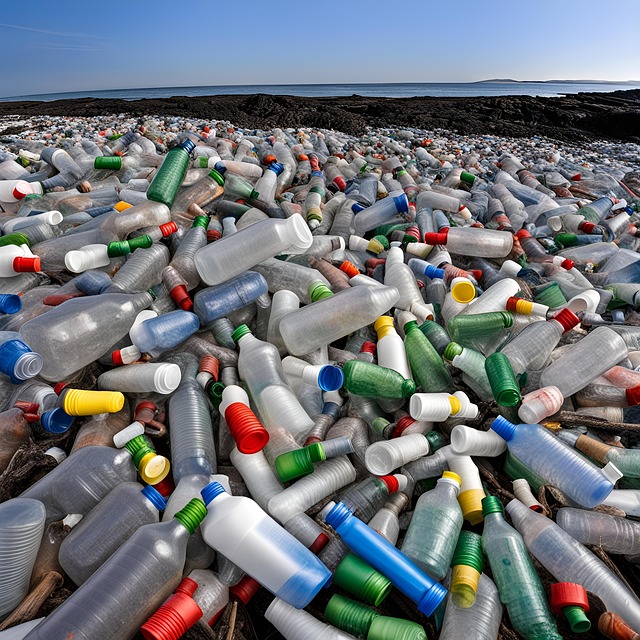
House clearance and waste disposal practices significantly impact the environment, with many goods ending up in landfills. Creative reuse strategies, such as donation, sale, or recycling, extend item lifespans and reduce landfill waste. Professional waste management services provide tailored solutions for large-scale clearances. Key insights include structured sorting, comparing local waste companies, implementing compost bins and recycling stations, hosting community events, and estate planning to ensure responsible disposal of unwanted goods while fostering a sustainable future.
In today’s world, the sustainable management of resources is a pressing concern, especially with the growing issue of waste accumulation. Unwanted goods contribute significantly to household clutter and, often, end up in landfills, causing environmental harm through inadequate disposal methods. House clearance and waste disposal practices play a pivotal role in mitigating this challenge. Creative reuse and recycling offer a compelling solution, transforming discarded items into valuable resources. This article provides an authoritative exploration of innovative strategies to repurpose unwanted goods, offering practical insights for responsible household management and contributing to a greener future.
- Unwanted Goods: Creative Reuse Strategies
- Recycling Ideas for Efficient House Clearance
- Waste Disposal: Transforming Discards into Treasures
Unwanted Goods: Creative Reuse Strategies

Unwanted goods are often a byproduct of our ever-changing lifestyles and growing consumer culture. What was once cherished can quickly become clutter, taking up valuable space in our homes and contributing to the strain on our planet’s resources. However, there’s a silver lining in this challenge—an opportunity to embrace creative reuse strategies that not only reduce waste but also promote sustainable eco-friendly waste disposal solutions for homes. By implementing effective clearance strategies for cluttered spaces, we can transform these challenges into opportunities for positive change.
Consider the impact of house clearance and waste disposal practices on our environment. According to recent data, a significant portion of household waste ends up in landfills, contributing to greenhouse gas emissions and environmental degradation. However, with intentional planning and creative thinking, we can drastically reduce this footprint. For instance, instead of discarding old furniture or appliances, they can be donated, sold, or recycled through specialized programs. This not only gives them a new lease of life but also helps extend the lifespan of materials, reducing the demand for new resources.
Creative reuse is not merely about repurposing items; it’s about adopting a circular economy mindset. Take, for example, transforming outdated decor into unique garden features or using old clothing to create eco-friendly cleaning products. These strategies not only divert waste from landfills but also foster community engagement through local recycling initiatives and upcycling workshops. For large-scale clearances, professional waste management services can provide comprehensive solutions tailored to specific needs, ensuring that materials are disposed of responsibly while maximizing recyclability.
As we navigate the challenges of clutter and waste, it’s crucial to remember that every item has potential. Visiting us at get rid of old appliances, for instance, offers a convenient path toward eco-friendly waste disposal solutions for homes. By partnering with experts in house clearance, you gain access to efficient clearance strategies tailored to your situation, ensuring that your unwanted goods find new purpose or responsible recycling. Embrace these creative reuse ideas not just as temporary fixes but as pivotal steps towards a more sustainable future for our homes and our planet.
Recycling Ideas for Efficient House Clearance

Unwanted goods don’t have to become waste; they can be valuable resources for creative reuse and recycling. Efficient house clearance involves strategic planning and thoughtful decision-making to minimize debris and maximize resource recovery. A structured approach to home decluttering can significantly reduce the amount of waste generated, especially in multi-family dwellings where shared spaces contribute to a collective responsibility for waste management and disposal.
A meticulous home decluttering a step-by-step approach begins with sorting items into keep, donate, recycle, or discard piles. This methodical process allows for careful consideration of each item’s potential reuse or repurposing. For instance, old furniture can be stripped down for timber or metal components, which can then be used in craft projects or donated to local artisans. Similarly, textiles and clothing, when no longer wanted, can be recycled through textile recycling programs that transform them into new products like rugs, insulation, or even raw materials for fashion designers.
When considering house clearance and waste disposal, comparing local waste disposal companies is a prudent step. Each company offers unique services and rates, influencing the overall environmental impact and cost-effectiveness of debris removal. Some providers specialize in recycling specific types of materials, such as electronics or hazardous waste, ensuring these items are handled responsibly according to industry standards. For larger clearances involving heavy debris, find us at hauling large debris can be a practical solution for efficient disposal while minimizing the environmental footprint.
To further reduce waste and promote sustainability, consider implementing waste reduction strategies in multi-family dwellings. Installing compost bins for organic waste and recycling stations for paper, plastic, and glass can encourage residents to adopt eco-friendly habits. Additionally, organizing community-wide events focused on creative reuse, such as upcycling workshops or clothing swaps, fosters a culture of sustainability and strengthens community bonds. These initiatives not only contribute to waste disposal but also transform unwanted goods into valuable resources, creating a more sustainable future for all.
Waste Disposal: Transforming Discards into Treasures
Unwanted goods don’t have to end up in landfills—they can be transformed into valuable resources through creative reuse and recycling. House clearance and waste disposal are critical components of this process, offering more than just environmental benefits; they’re also opportunities for estate planning and managing post-clearance assets. By understanding local regulations for waste disposal, individuals can make informed decisions about whether to hire a professional house clearance service or handle it themselves.
For instance, many items that would otherwise be considered trash—from furniture to appliances—can find new life through upcycling or donation. According to the EPA, approximately 90% of what ends up in landfills is actually recyclable or reusable. By adopting creative reuse strategies, we can significantly reduce waste and preserve resources. Estate planning plays a crucial role here; individuals can specify preferences for the disposal of personal items, ensuring that meaningful belongings stay within their families or communities.
Navigating house clearance options involves considering both time and cost. Hiring a professional service offers convenience but comes at a price. Alternatively, DIY methods can be more budget-friendly, especially when dealing with large volumes of waste. Local regulations for waste disposal should guide these decisions; many regions have specific guidelines for item categorization and recycling programs. For instance, certain materials like electronics require specialized handling due to their hazardous components.
In the realm of estate planning, managing post-clearance assets can be streamlined by leaving clear instructions in a will or trust document. This ensures that valuable items are distributed according to an individual’s wishes while also facilitating efficient waste disposal. As previously mentioned, visiting us at remove unwanted items can provide expert guidance tailored to local regulations and offer solutions for transforming discards into treasures—a sustainable and fulfilling practice that benefits both the environment and one’s legacy.
By exploring creative reuse and recycling strategies for unwanted goods, this article has underscored the significant impact individuals can have on reducing waste and promoting sustainability. Key insights include the importance of house clearance and waste disposal as essential components in fostering a circular economy. Through practical ideas like repurposing, upcycling, and local donation programs, readers now possess valuable tools to navigate their next clearances effectively. By embracing these strategies, folks can transform discards into resources, minimize environmental impact, and contribute to a more sustainable future.