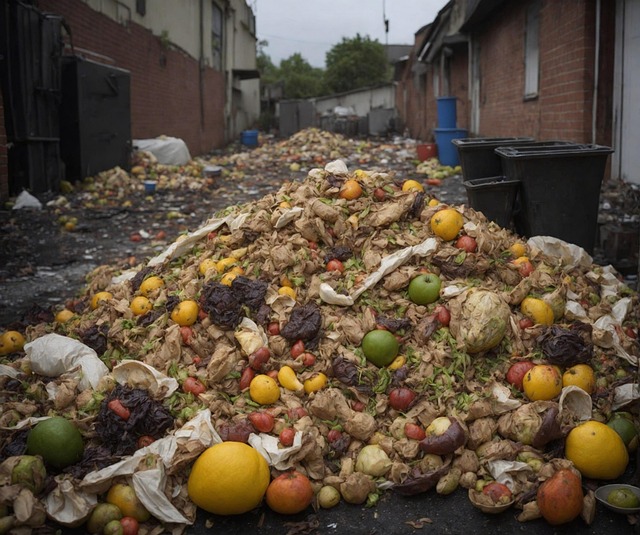
House clearance and waste disposal are crucial aspects of home decluttering. Strategically assess every item's purpose, categorizing keeps, donates, sells, or disposes. Research sustainable methods like local recycling and community resale events. Seek expert assistance from professional clutter cleanup teams for stress-free results. Holistically consider space functionality and repurpose areas as needed. Implement eco-friendly practices to reduce clutter and carbon footprint, addressing digital hoarding with secure data deletion.
In today’s fast-paced world, home decluttering has become an essential practice for maintaining a peaceful and organized living space. Cluttered homes not only hinder productivity but also contribute to stress and anxiety. Effective house clearance and waste disposal strategies are crucial steps in achieving a serene environment. This article provides a comprehensive, step-by-step approach to tackling the problem head-on. By following these guidelines, you’ll master the art of decluttering, transforming your home into a sanctuary of order and tranquility. Let’s embark on this journey towards a more organized lifestyle.
- Assessing Your Space: Decluttering Basics
- Strategize And Prioritize: Step-by-Step Guide
- Implementing Change: Tips For Efficient House Clearance
- Waste Disposal: Eco-Friendly And Ethical Approaches
Assessing Your Space: Decluttering Basics

Decluttering your home can seem like an overwhelming task, but a well-planned approach can turn this challenge into a transformative experience. Assessing your space is the foundational step in any successful house clearance and waste disposal strategy. It involves understanding your surroundings, identifying items that no longer serve you, and making informed decisions about their future. This process is not merely about clearing out clutter; it’s an opportunity to redefine your living spaces, promote a sense of calm, and embrace a more sustainable lifestyle.
The first step in assessing your space is to visually inspect every corner of your home. Consider each room as a unique ecosystem where items have specific purposes and connections to your life. By doing so, you can begin to differentiate between essentials, occasional uses, and items that hold no value or purpose anymore. For example, a kitchen might reveal unused cooking utensils or outdated appliances, while a bedroom could showcase clothing no longer fitting or items that evoke negative emotions. This practice is key to identifying the true extent of house clearance needed.
How to Plan a Stress-Free Home Clearance and Reducing Waste go hand in hand. Once you’ve identified items for disposal or donation, research sustainable disposal methods. Many local areas offer recycling programs or specific waste collection days for larger items. The Art of Donating Unused Items is also an essential aspect, as it allows others to benefit from your no longer needed possessions. For instance, gently used clothing can find new homes through charity shops or online platforms, while furniture and appliances might be suitable for local thrift stores or community resale events. By adopting these practices, you not only reduce waste but also contribute to a circular economy.
Visit us at professional clutter cleanup for expert assistance tailored to your unique needs. Our team is dedicated to providing comprehensive house clearance solutions, ensuring every step of the process is stress-free and environmentally responsible. Embracing this journey will lead to a more organized, peaceful home and a positive impact on the environment through proper waste disposal and recycling practices.
Strategize And Prioritize: Step-by-Step Guide

Decluttering your home can seem like a daunting task, but with a strategic approach, it becomes a manageable and rewarding process. This step-by-step guide will help you navigate through the clutter, prioritize what matters, and transform your living space into a serene and organized haven. Let’s begin by delving into the art of strategizing and prioritizing during house clearance and waste disposal.
First, assess every item in your home with a critical eye. Ask yourself: Does it spark joy? Is it useful or relevant to my current lifestyle? This simple question can be life-changing as it inspires people to let go of items that no longer serve them. For instance, an old collection of books might hold sentimental value, but if they are rarely read and take up precious shelf space, consider donating them to a local library or charity. This not only clears physical clutter but also finds new homes for these items, promoting sustainable practices.
Next, prioritize your tasks by categorizing items into keep, donate, sell, or dispose. The art of donating unused items is a valuable skill to master. Check with local regulations for waste disposal and ensure proper channels are followed for hazardous household items like old paints, batteries, or electronics. Organizations like charity shops and thrift stores gladly accept gently used items, giving them new life and diverting waste from landfills. For example, furniture can be donated to shelters or resold through online platforms, while clothing can find new homes with local charities supporting those in need.
As you organize, think holistically about your living space. Consider the flow of energy and functionality within each room. A clear strategy for house clearance should not only remove clutter but also optimize space for better living. For instance, if you’ve decided to part ways with a large dining table that rarely sees use, repurpose the space for a cozy reading nook or a small home office. This thoughtful approach ensures that your space reflects your lifestyle and promotes a sense of calm and order.
Remember, the process is personal, so be patient and kind to yourself. If needed, seek inspiration from online resources or consult professionals like safe house clearing experts who can provide guidance tailored to your unique situation. By following these steps, you’ll not only achieve a clutter-free home but also develop valuable skills in managing and disposing of items responsibly, leaving a positive impact on both your living environment and the community.
Implementing Change: Tips For Efficient House Clearance

Implementing change through efficient house clearance is a significant step in the home decluttering process. The Art of Donating Unused Items plays a crucial role in this transformation. Before initiating the clearance process, assess each item’s value and its potential to serve others. Consider local charities or non-profit organizations that accept donations, ensuring that your unwanted possessions find new homes. This approach not only contributes to community well-being but also provides tax benefits, making it a win-win situation.
Streamlining the house clearance process involves strategic planning and utilizing efficient waste disposal methods. Compare Local Waste Disposal Companies to identify services that align with your needs and budget. Professional companies offer specialized solutions for various types of waste, ensuring environmental responsibility. For instance, electronic waste requires specific handling to prevent harm to the environment. Engaging such experts can save time and effort while promoting eco-friendly practices. Efficient house clearance should also account for materials that can be recycled or repurposed, minimizing the environmental footprint.
Data from recent studies reveals that an average household generates several tons of waste annually, much of which can be prevented through proper decluttering and donation strategies. By adopting these practices, you not only reduce clutter but also contribute to a more sustainable future. To streamline the process further, consider hiring professionals who specialize in efficient house clearance. Their expertise ensures that your home is transformed into a serene space, free from unnecessary items, within a shorter timeframe. Give us a call at Home Decluttering Benefits for personalized guidance and expert support throughout this transformative journey.
Waste Disposal: Eco-Friendly And Ethical Approaches

House clearance and waste disposal is a critical component of successful home decluttering. As you embark on this journey towards a more organized living space, consider the environmental impact of your actions. Eco-friendly and ethical approaches to house clearance can transform clutter into resources, reducing landfill waste and promoting sustainability. One emerging challenge in today’s digital era is digital hoarding, where physical items give way to countless digital files and devices. This form of clutter requires unique strategies for disposal, such as securely deleting digital data or donating working electronics to prevent e-waste.
When tackling cluttered spaces, a systematic approach is key. Start by sorting items into categories like keep, donate, recycle, or discard. For sensitive materials, like documents or personal belongings with sentimental value, consider specialized estate clearance services that handle these items discreetly and responsibly. As you separate the house clearance, prioritize recycling and upcycling wherever possible. For instance, old furniture can be refinished or broken down for repurposing, extending its lifespan and reducing waste. Clearance strategies should also account for hazardous materials, such as electronics, chemicals, or paint, ensuring they are disposed of safely according to local regulations.
Beyond the immediate benefits of decluttering, adopting eco-friendly practices has long-term advantages. According to a recent study, minimizing waste can reduce your carbon footprint by up to 50%. By implementing these strategies, you’re not just clearing out clutter; you’re contributing to a greener planet. Visit us at home decluttering services anytime for personalized guidance tailored to your unique situation and to explore innovative solutions that blend efficiency with environmental responsibility.
By systematically assessing your space, prioritizing items based on emotional attachment and practicality, and strategically implementing change through efficient house clearance, you can achieve a more organized living environment. The article’s step-by-step guide ensures a structured approach to decluttering, empowering readers to make informed decisions about what to keep, donate, recycle, or dispose of. Furthermore, focusing on eco-friendly and ethical waste disposal methods enhances the sustainability aspect, contributing to a greener future. These key insights offer practical next steps for anyone looking to streamline their living spaces and minimize environmental impact through effective house clearance and responsible waste management.