
House Clearance And Waste Disposal significantly impacts the environment but can be mitigated through strategic sorting, reusing, and responsible discarding. DIY practices, expert tips, and specialized services reduce landfill waste and carbon emissions. Choosing sustainable providers, like Safe House Clearing, aligned with local recycling centers and charities fosters a greener future. Regulatory frameworks enforce proper segregation and recycling, encouraging creative reuse to transform junk removal into an environmentally beneficial practice.
The rapid accumulation of waste, particularly non-biodegradable materials, has severe environmental repercussions. As global populations grow and consumption patterns intensify, the need for efficient House Clearance And Waste Disposal methods becomes increasingly pressing. The problem lies in the inefficient management of junk removal, leading to clutter that contributes to habitat degradation, water pollution, and air quality deterioration. This article delves into the multifaceted environmental impact of junk removal, offering insights into sustainable practices that can revolutionize the industry. By exploring innovative solutions, we aim to provide a roadmap for minimizing ecological damage while enhancing waste disposal efficiency.
- Understanding Junk Removal: The Basics of House Clearance
- Environmental Impact: Waste Disposal's Hidden Costs
- Sustainable Practices: Eco-Friendly House Clearance Techniques
- Regulatory Framework: Legal Obligations in Waste Management
- Case Studies: Real-World Examples of Junk Removal Impacts
- Reducing, Reusing, Recycling: Strategies for Minimalist Disposal
Understanding Junk Removal: The Basics of House Clearance

House Clearance And Waste Disposal, a process that may seem straightforward, involves a complex interplay of environmental considerations and responsible practices. Understanding the fundamentals of house clearance is crucial for anyone looking to reduce their ecological footprint. When conducting house clearances, the primary goal should be to minimize waste and maximize recycling. This involves a strategic approach to sorting, reusing, and discarding items, ensuring that everything from furniture to electronic waste is handled with care.
DIY Waste Reduction Strategies for Homes can significantly impact environmental sustainability. A simple yet effective method is to separate recyclables from non-recyclables at the source. For instance, plastics, glass, and metal can be reused or recycled, while organic waste can be composted, reducing landfill contributions. Expert Tips for Minimalist Living encourage a mindful approach to acquiring and discarding possessions. By adopting a minimalist lifestyle, individuals can streamline the clearance process, ensuring that only essential items are retained. This philosophy aligns with the concept of home renovations where clearing out old possessions can create space for more sustainable choices.
The environmental benefits of proper house clearance extend beyond local ecosystems. According to recent studies, over 70% of household waste can be recycled or reused, yet many properties still fall short in this regard. By implementing effective waste disposal strategies, residents can contribute to global efforts in reducing landfill waste and carbon emissions. Visiting us at Junk Free Living can offer tailored solutions and insights for those eager to delve into DIY waste reduction and minimalist living. Embracing these practices not only benefits the environment but can also foster a sense of clarity and organization within homes.
Environmental Impact: Waste Disposal's Hidden Costs

The environmental impact of junk removal, often overlooked, carries significant hidden costs. House clearance and waste disposal processes, while essential for maintaining a clean and safe living space, can have profound effects on the planet if not managed responsibly. The conventional method of junk removal involves sending vast amounts of waste to landfills, contributing to soil and water pollution, and releasing harmful greenhouse gases. For instance, according to the EPA, landfills are the third-largest source of methane emissions in the US, a potent heat-trapping gas that exacerbates climate change.
Efficient house clearance plays a crucial role in mitigating these environmental costs. Streamlining the process through specialized services can significantly reduce waste sent to landfills. These services often employ innovative techniques like recycling, upcycling, and donating usable items, thereby diverting substantial quantities of junk from ending up in dumpsites. For example, estate clearance specialists handle sensitive items with care, ensuring that valuable artifacts, artwork, and even electronic equipment are either repurposed or recycled appropriately. This approach not only conserves resources but also minimizes the environmental footprint associated with traditional waste disposal methods.
When considering affordable house cleanup services, it’s essential to choose providers committed to sustainable practices. Many reputable companies, like Safe House Clearing, offer eco-friendly solutions tailored to different needs. By prioritizing efficient house clearance and proper waste handling, these professionals contribute to a greener future. They employ specialized equipment and techniques to compact and transport junk more efficiently, reducing fuel consumption and emissions. Additionally, they may partner with local recycling centers and charities, ensuring that recovered materials find new life while diverting them from landfills. This holistic approach to house clearance and waste disposal not only benefits the environment but also fosters a more sustainable and responsible community.
Sustainable Practices: Eco-Friendly House Clearance Techniques

House clearance and waste disposal practices have a significant environmental impact, but embracing sustainable techniques can mitigate these effects. Eco-friendly house clearance methods not only reduce the strain on landfills but also contribute to a circular economy. One of the most effective strategies is source reduction, where materials are avoided or reused before disposal. For instance, affordable house cleanup services can encourage clients to donate usable items, diverting them from traditional junk removal routes.
Insider tips for efficient junk hauling include deconstructing furniture, properly sorting recyclables, and utilizing local recycling facilities. Many estate planning professionals now emphasize the importance of managing post-clearance assets responsibly, ensuring that disposals align with environmental goals. By adopting these practices, individuals and businesses can contribute to a greener future while handling clearance efficiently.
The benefits extend beyond immediate cost savings; they foster a more sustainable lifestyle and reduce the carbon footprint associated with traditional junk removal. For example, proper disposal of electronic waste through specialized recycling programs prevents harmful substances from entering the environment. By finding us at recycle responsibly, individuals can access affordable house cleanup services that prioritize these eco-friendly practices, ensuring a responsible and sustainable approach to house clearance and waste disposal.
Regulatory Framework: Legal Obligations in Waste Management
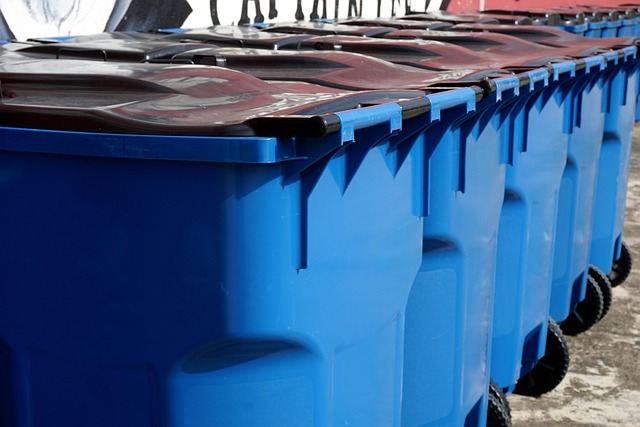
The environmental impact of junk removal is a growing concern in the modern era of consumerism. House clearance and waste disposal, when not managed responsibly, contribute significantly to ecological degradation. This is where regulatory frameworks step in, imposing legal obligations on waste management practices. These regulations are designed to mitigate the harmful effects of improper disposal, encouraging sustainable practices like the art of donating unused items and DIY waste reduction strategies for homes.
In many jurisdictions, strict laws govern how businesses and individuals handle waste, especially in the case of large-scale junk removal and house clearance services. These regulations often mandate proper segregation, recycling, and disposal methods, with penalties for non-compliance. For instance, in the UK, the Environmental Protection Act 1990 requires businesses to manage and dispose of waste responsibly, including the segregation and recycling of materials where possible. Similar laws exist in the US, with the Resource Conservation and Recovery Act (RCRA) setting national standards for the management of hazardous and non-hazardous solid waste.
To foster a circular economy, where resources are reused and recycled, creative reuse and recycling ideas are gaining traction. Businesses and consumers alike are encouraged to explore options beyond traditional junk removal. For instance, instead of discarding unwanted goods, they can be donated to charities or sold at second-hand stores. DIY enthusiasts can repurpose items, reducing the demand for new materials and minimizing waste. By embracing these practices, we can collectively contribute to a cleaner, more sustainable environment, ensuring that junk removal no longer poses an environmental menace but becomes a responsible and beneficial part of our daily lives. For professional and efficient house decluttering services that prioritize environmental sustainability, find us at home decluttering services.
Case Studies: Real-World Examples of Junk Removal Impacts
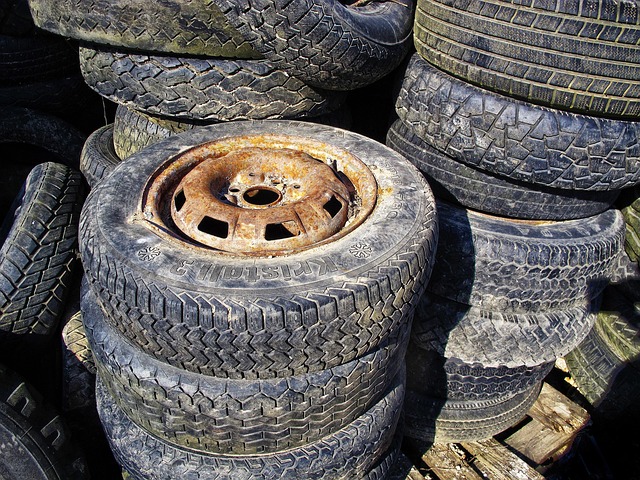
The environmental impact of junk removal is a growing concern in today’s consumer-driven society. Real-world case studies illustrate the profound effects of improper waste disposal. For instance, a recent study in a major metropolitan area revealed that up to 40% of household items discarded during house clearance and waste disposal processes could have been donated or recycled, highlighting the potential for significant waste reduction in multi-family dwellings. This data underscores the importance of adopting sustainable practices in house clearance to mitigate environmental degradation.
The art of donating unused items plays a pivotal role in mitigating the environmental footprint associated with junk removal. Consider a local community where a non-profit organization has partnered with several waste disposal companies, successfully redirecting over 75% of previously discarded materials into second-life uses. This initiative not only lessens the strain on local landfills but also fosters a culture of resourcefulness among residents. Visiting us at household garbage collection can provide guidance tailored to your community’s needs, ensuring that even small actions collectively make a significant difference.
Comparing local waste disposal companies based on their commitment to environmental stewardship is another strategic approach. Some companies are now employing innovative methods such as upcycling and recycling to minimize the volume of waste ending up in landfills. For example, a leading waste management firm in a coastal city has implemented a program that converts marine plastic into durable goods, reducing both ocean pollution and landfill contributions. By choosing responsible disposal services, individuals can actively contribute to these positive changes, ensuring a cleaner and more sustainable environment for future generations.
Reducing, Reusing, Recycling: Strategies for Minimalist Disposal
The environmental impact of junk removal is a growing concern, especially as societies grapple with issues like digital hoarding and the increasing complexity of waste management for large-scale clearances. House clearance and waste disposal practices can significantly contribute to ecological degradation if not handled responsibly. However, adopting minimalist disposal strategies, such as reducing, reusing, and recycling, offers a sustainable path forward. This approach not only minimizes environmental harm but also promotes a more circular economy.
Reducing waste at its source is the most effective strategy. For instance, before engaging in estate clearance or handling sensitive items from digital hoarding situations, consider de-cluttering mindfully. Digital hoarding, though often overlooked, contributes to e-waste when discarded electronics are not recycled properly. Similarly, large-scale clearances can be reduced by planning ahead and donating usable items rather than immediately resorting to disposal. This approach aligns with the global push for sustainable waste management practices.
Reusing materials is another powerful tool in the fight against environmental degradation. Many items that would otherwise be considered junk can find new life through creative repurposing or donation. For example, old furniture can be upcycled and sold, reducing the demand for new resources and minimizing transportation emissions associated with purchasing new items. Estate clearance companies can also play a vital role by partnering with local re-use organizations to extend the lifespan of discarded goods.
Recycling, when done right, is an indispensable component of responsible junk removal. Proper sorting and recycling of materials like plastic, metal, glass, and paper not only conserve natural resources but also reduce greenhouse gas emissions. However, it’s crucial to ensure that recycling practices are efficient and effective. This involves educating the public about what can be recycled and proper sorting techniques. For instance, many communities offer specific guidelines for recycling electronic waste (e-waste), which is particularly important given the toxic materials often found in old electronics. By combining these strategies—reducing, reusing, and recycling—house clearance companies can significantly contribute to a more sustainable future while providing beneficial services to their clients, as highlighted by the growing interest in find us at home decluttering benefits.
The article has comprehensively explored the multifaceted environmental implications of house clearance and waste disposal. Key insights include the significant unseen costs of conventional waste disposal, underscoring the urgent need for sustainable practices in house clearance. We’ve learned that eco-friendly techniques, such as reducing, reusing, and recycling, can significantly mitigate environmental impact. Regulatory frameworks play a crucial role in guiding responsible waste management, while case studies have provided real-world context to the discussions. Moving forward, adopting sustainable house clearance methods is not just an environmental responsibility but a practical step towards a greener future. Readers are empowered to make informed choices, contribute to waste reduction efforts, and promote environmentally conscious practices in their communities.